
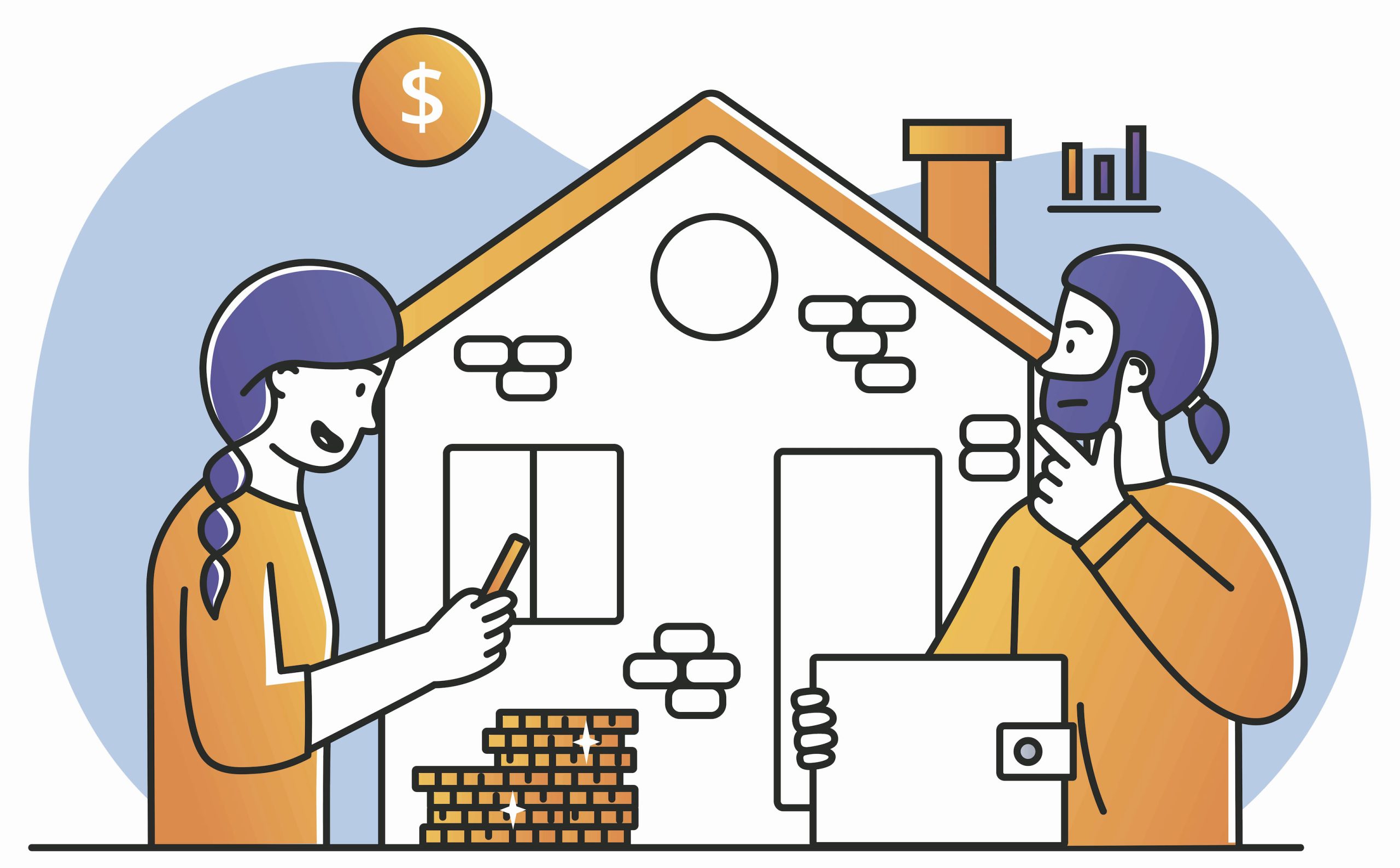
What is the economic profitability of a Passive House? Is a Passive House much more expensive than a traditional home? These are some of the first questions a self-developer asks when considering building a Passive House. And if they delve deeper into the subject, they will ask themselves… how long will it take to recover the additional initial investment?
Economic Amortization of a Passive House
The quick answer to this question is between 10 and 15 years; however, we must consider a series of factors that we want to explain.
The economic amortization of a Passive House involves analyzing two key points: the additional construction cost and the long-term energy savings. This analysis is essential to evaluate the feasibility and benefits of investing in this type of home.
For example, we must take into account that as energy prices rise, the amortization period decreases. Therefore, it is difficult to determine exactly how long it will take to recover the additional construction costs. However, we can make an estimate based on current prices.
In the minds of our clients, usually committed to the environment, there is the appeal of self-sufficiency. Living with the peace of mind provided by independence from fluctuating energy prices. And if, in addition, our house generates electricity—for example, with photovoltaic panels—the satisfaction of consuming what we produce ourselves.
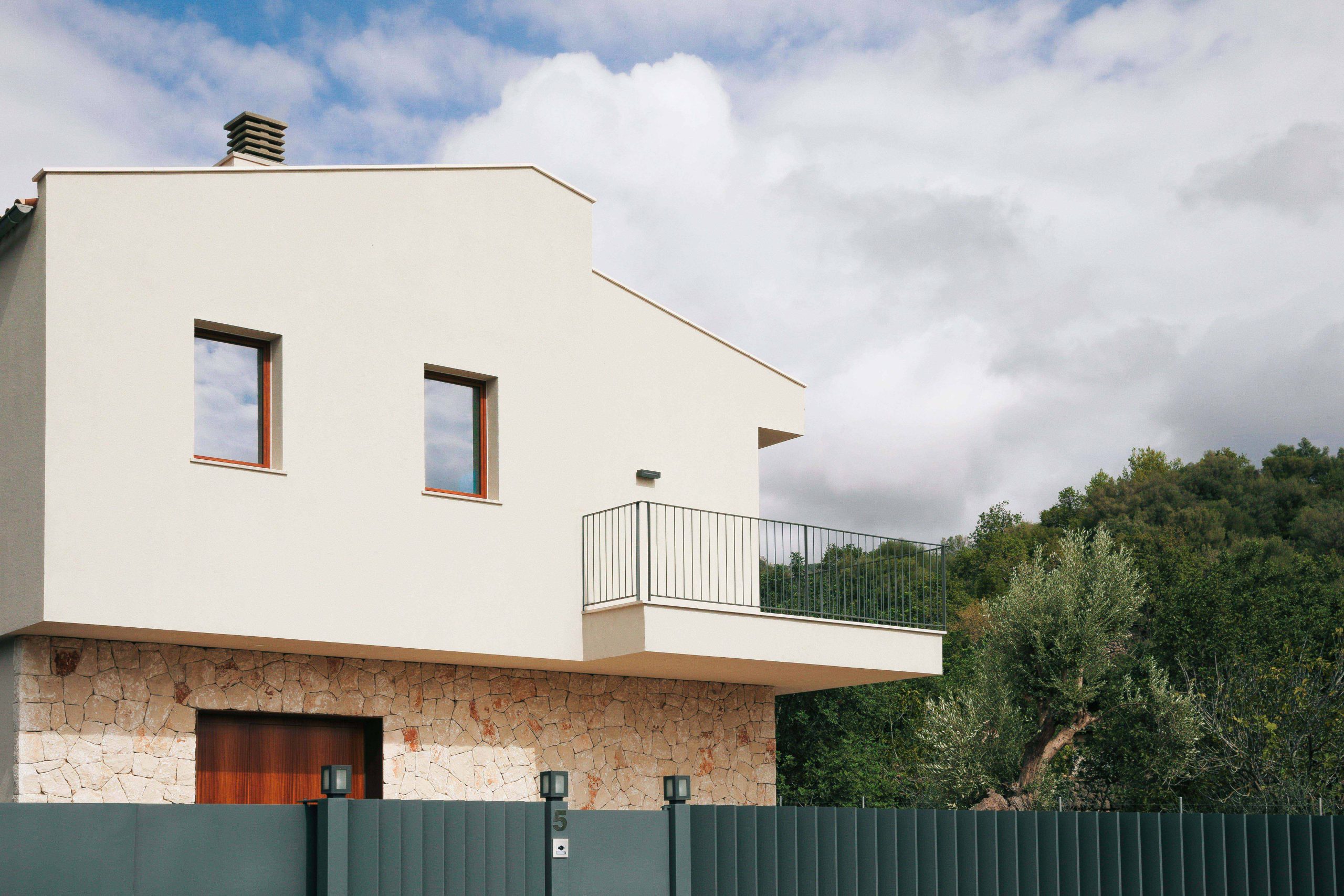
Casa pasiva en Mallorca diseñada por Sendra Arquitectura
Why Is a Passive House More Expensive?
The additional cost of Passive Houses is mainly due to two principles: insulation and airtightness.
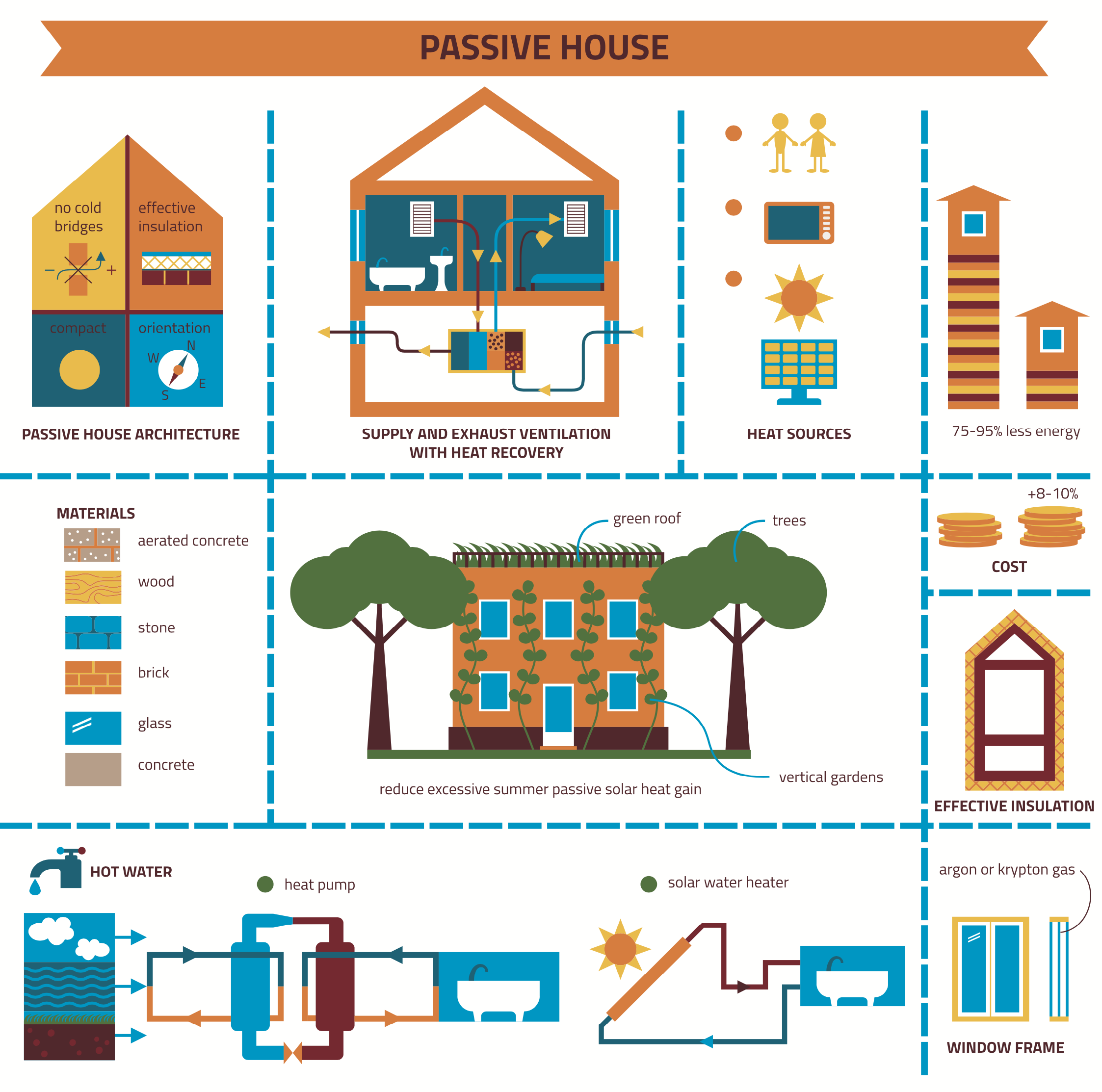
First, thicker layers of thermal insulation are used than those required by the Spanish technical code. Second, airtightness is crucial to prevent heat loss in winter and to maintain coolness in summer. This requires meticulous attention to detail during construction, especially when sealing windows and other openings.
Good insulation and airtightness ensure a consistent indoor temperature. In addition, high-quality windows are recommended; in Mediterranean climates, double glazing is sufficient, while in colder climates, triple glazing is advised.
A controlled mechanical ventilation system is also suggested to ensure proper air renewal, as Passive Houses are very airtight. Although this system can increase the initial cost, it is offset by the reduced need for heating and cooling systems. With proper design, complex and expensive installations are avoided, since small inputs of heat or cooling are sufficient to achieve thermal comfort.
The Importance of Passive House Specialized Professionals
Hiring architects and consultants specialized in Passive Houses is essential to start a Passive House project on the right track. These professionals are trained in designing homes that meet the rigorous energy efficiency standards of the Passive House Institute. A Passive House Designer prioritizes a series of key concepts that are essential to achieving the objectives, airtightness, and thermal comfort of a Passive House.
The cost of their services does not have to be higher than that of conventional architects. A greater investment in the early stages of the project, by hiring qualified professionals, will ensure a proper design and correct execution of the Passive House, resulting in long-term energy savings.

What Materials Are Used in the Construction of a Passive House?
The materials and their proper application are fundamental to achieving the energy efficiency levels required in a Passive House. It is important to clarify that a Passive House can be built with conventional materials; what really changes is how they are used. Therefore, the crucial factor is not which materials are employed, but how they are applied.
The Passive House Institute provides a list of certified materials and equipment. However, their use is not mandatory to obtain Passive House certification.
A key principle in Passive House design is that the building must be insulated from the exterior, thus avoiding thermal bridges in the building envelope.
Labor
Constructing a Passive House requires specialized labor familiar with its techniques and standards. Additionally, periodic technical inspections are necessary to ensure proper execution. As architects, it is also our responsibility to train workers when necessary.
Cost of Passive House Certification
Obtaining Passive House certification involves an additional cost that varies depending on location, size, and project complexity, as well as consultant fees. Generally, these costs range from €1,500 to €4,000 for residential projects and include evaluation and certification, although not necessarily other associated expenses.
This process ensures that the home meets the standards of the Passive House Institute. Although it is an extra cost, certification guarantees quality and can increase property value.
How Much Energy Can Be Saved in the Long Term with a Passive House?
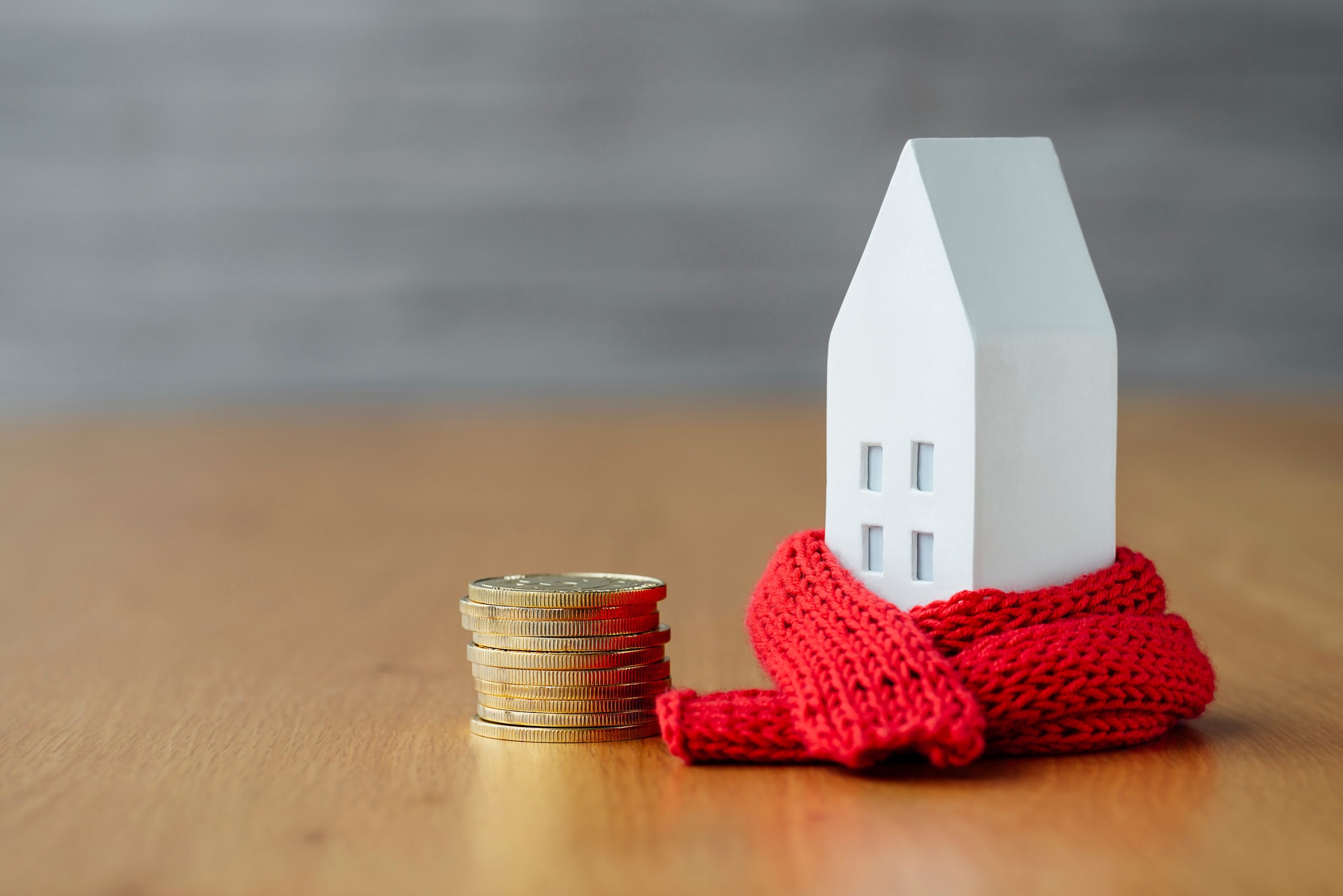
Investing in a Passive House provides significant savings, as it consumes up to 90% less energy for heating and cooling compared to traditional buildings. This results in lower energy bills, especially in extreme climates.
Independence from Fossil Fuels
These homes reduce dependence on fossil fuels by maximizing energy efficiency and using renewable sources, helping to avoid price volatility.
Electricity Price Fluctuations
Energy efficiency also mitigates the impact of electricity price fluctuations, providing long-term economic stability.
Health and Comfort
Passive Houses offer a healthier environment thanks to their ventilation systems, which improve indoor air quality and may reduce medical expenses.
So, When Is the Additional Cost of a Passive House Recovered?
The economic amortization of a Passive House can vary, but it is typically observed that the additional initial costs are recovered over a period of 10 to 20 years, depending on energy savings and other specific factors. The higher initial investment is justified not only by the substantial savings in energy costs but also by reduced dependence on fossil fuels and the mitigation of the impacts of electricity price fluctuations.
If you want to know how we work,, no dudes en ponerte en contacto con nosotros. En Sendra Arquitectura, estaremos encantados de ayudarte con tu proyecto de casa pasiva. Puedes contactar con nosotros here
READ MORE ARTICLES

¿Qué son los COVs?
En el ámbito de la arquitectura contemporánea, hablar de eficiencia energética ya no es suficiente. Hoy, el verdadero...

Which is cheaper: building or buying a house?
Many families who dream of owning their own home ask themselves the same question: is it more worthwhile to build or to buy…

Industrialized construction: the solution for the future of housing?
España se enfrenta a un reto estructural en el sector de la vivienda: necesitamos construir más y más rápido, sin...
MALLORCA
C/ Miquel dels Sants Oliver 9, 07011 Palma
BARCELONA
C/ de l'Alzina 21, 08024 Barcelona
PARIS
18 Rue Saint Bernard, 75011 Paris
