
Last week, thousands of homes were left in the dark due to an unexpected power outage. To this day, the cause has not been clearly communicated, generating frustration, distrust, and indignation among citizens. At Sendra Arquitectura, as specialists in low-energy homes and bioclimatic architecture, we believe that situations like this highlight the vulnerability of the current energy model. Our proposal: homes with real energy independence, consuming very little energy and capable of generating it themselves.

What are low-energy homes and why do they consume so little energy?
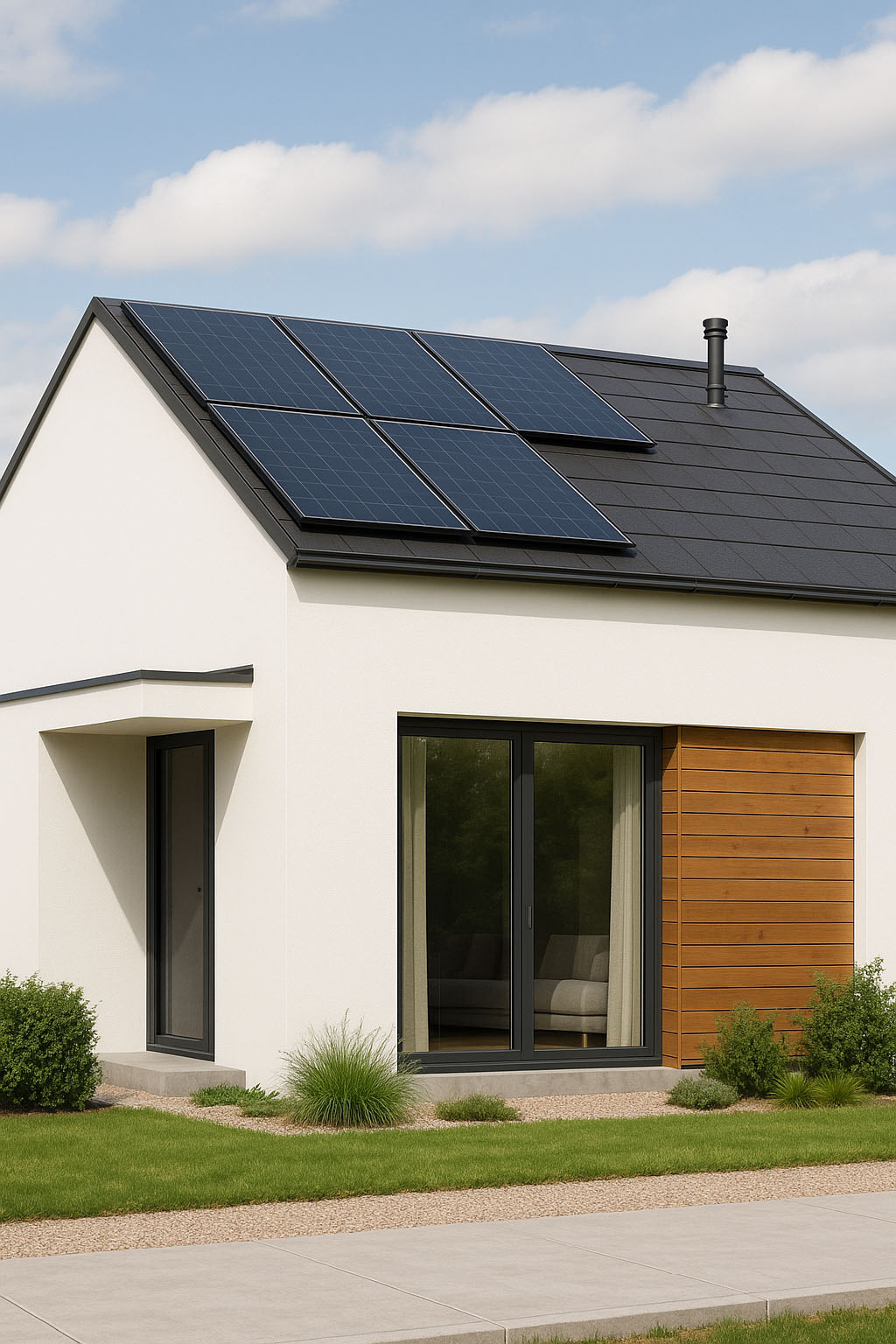
A low-energy home is designed to make the most of natural resources in its surroundings—sun, shade, cross ventilation, thermal insulation, etc.—to maintain a comfortable indoor temperature without relying on energy-intensive mechanical systems.
Principles of a low-energy home:
- Optimal solar orientation: maximizes heat gain in winter and prevents overheating in summer.
- High-performance thermal insulation: reduces the need for heating or air conditioning.
- Controlled natural ventilation: improves indoor air quality and regulates temperature.
- Use of sustainable materials: with low ecological impact and good thermal inertia.
Renewable energy for low-energy homes
The key to avoiding dependence on the electricity grid is to combine a low-energy home with clean energy generation systems. Today, there are several options perfectly suited for single-family homes:
Photovoltaic solar energy
This is the most common and efficient option in most regions. A basic installation includes:
- Solar panels: convert sunlight into electricity.
- Inverter: transforms direct current (DC) into alternating current (AC) for home use.
- Batteries (optional): store energy for nighttime use or in case of a blackout.
The installation is usually done on south-facing rooftops without shading. Average annual production can cover between 60% and 100% of the energy needs of an efficient home.
Domestic wind turbines
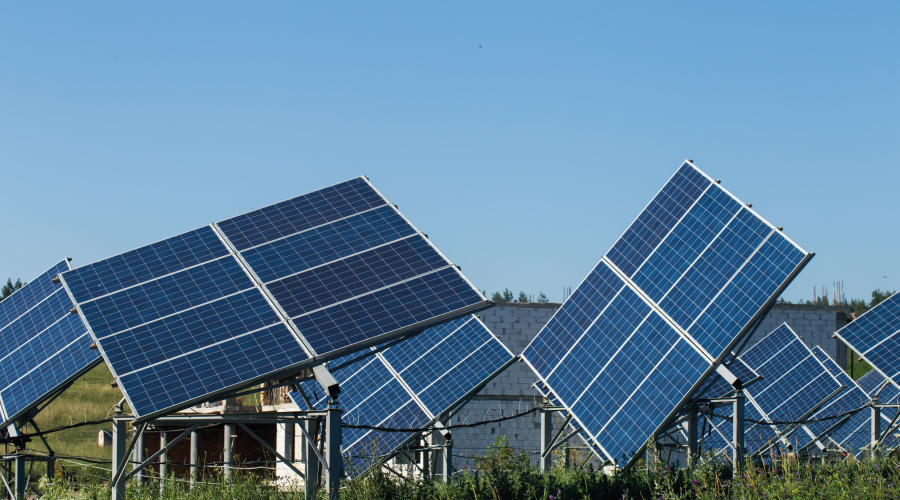
Small wind turbines can be an ideal complement to a solar system, especially in rural areas or regions with consistent wind. They generate electricity 24 hours a day as long as there is wind, although their installation requires a technical feasibility study and municipal permits.
Solar thermal energy in low-energy homes
Solar thermal systems are used to heat water (DHW) and reduce electricity or gas consumption in boilers. Their installation is simple and very cost-effective, especially in warm climates.
Biomass and geothermal energy
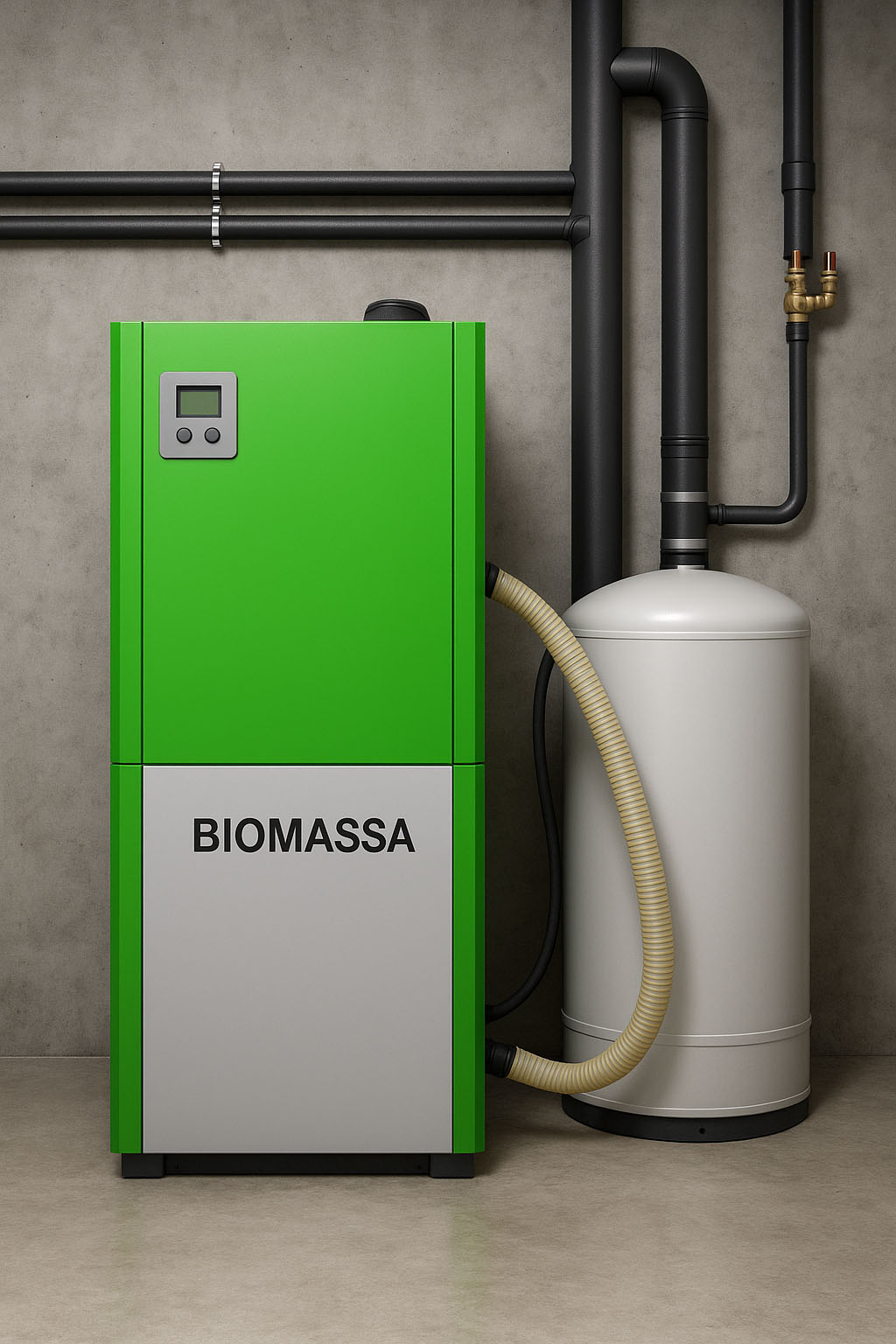
In low-energy homes, systems such as pellet boilers or geothermal heat pumps offer renewable solutions for heating and cooling, although they require a higher initial investment and, in some cases, more space.
What role do batteries play in a self-sufficient home?
Home batteries allow you to store the energy generated during the day to use it at night or during power outages. They are essential for achieving true energy autonomy.
Most common types of batteries in low-energy homes:
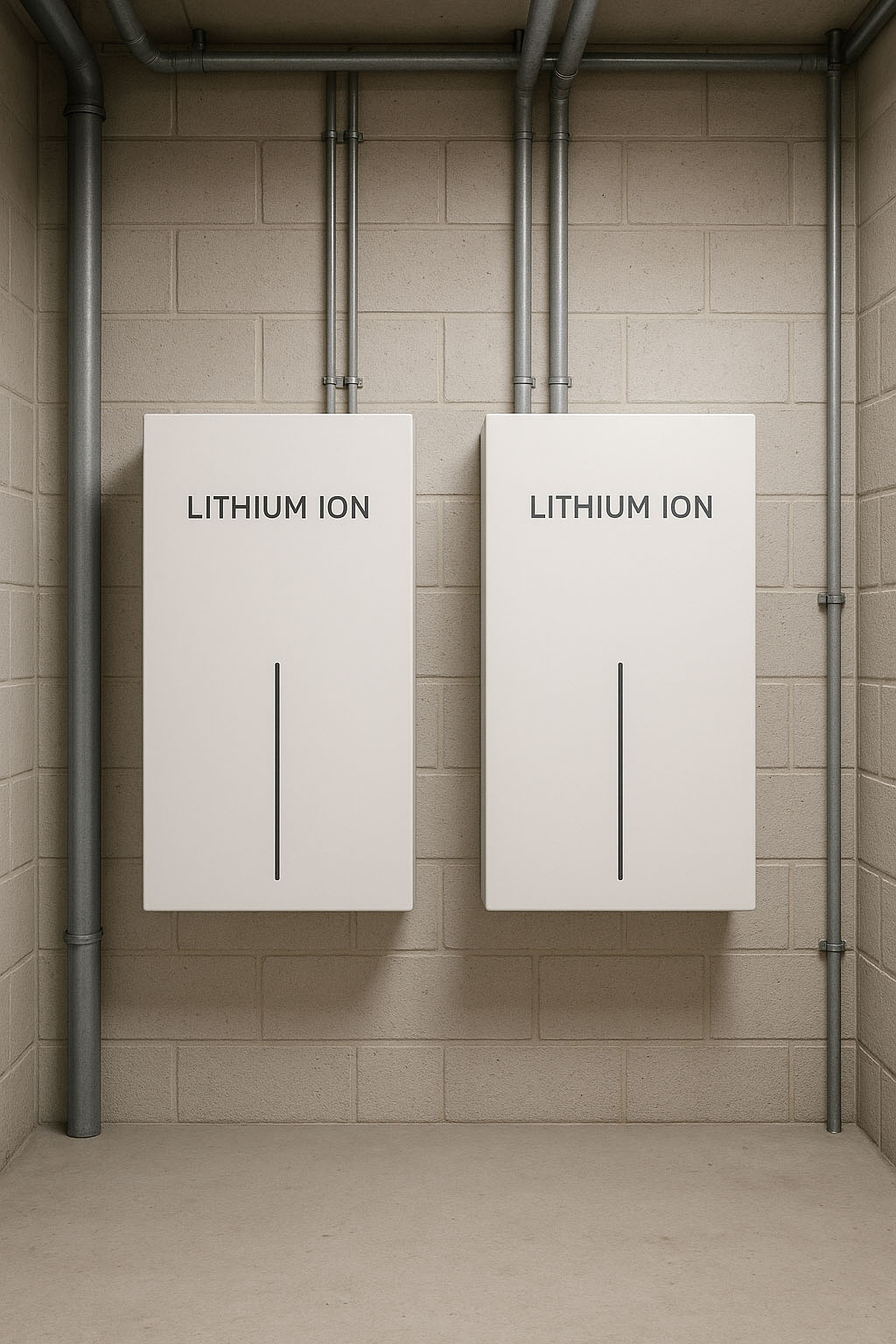
- Lithium batteries: the most widely used due to their efficiency, longevity, and low maintenance.
- Lead-acid batteries: more economical but with shorter lifespan and lower performance.
- Saltwater or flow batteries: emerging technologies with sustainable potential.
Where should they be installed?
Typically in a ventilated and protected space, such as a utility room, garage, or basement. Lithium batteries take up little space and do not generate hazardous gases.
How long do they last?
- Lithium: 10–15 years, with an average warranty of 6,000–10,000 cycles.
- Lead-acid: 3–5 years, depending on use and maintenance.
How much does energy independence cost?
The cost depends on the size of the home, its energy consumption, and the systems installed. A low-energy bioclimatic house can achieve energy self-sufficiency for around €15,000 to €25,000, including solar panels and batteries. In many cases, the investment is recovered in less than 10 years thanks to savings on bills and available subsidies.
If you want to learn more about Passive Houses, we invite you to read the article “Everything You Should Know Before Building a Passive House” by clicking here
Conclusion: living without dependence on the system is possible
Recent blackouts should not be a threat to your quality of life. On the contrary, they are a wake-up call. Bioclimatic architecture and renewable energy at home are not the future—they are the present for those who want to live responsibly, resiliently, and autonomously.
At Sendra Arquitectura, we design and build climate-adapted homes, low-energy houses that can operate completely off-grid if you wish. It is time to rethink how we live… and how we protect ourselves against an increasingly unstable system.
READ MORE ARTICLES

¿Qué son los COVs?
En el ámbito de la arquitectura contemporánea, hablar de eficiencia energética ya no es suficiente. Hoy, el verdadero...

Which is cheaper: building or buying a house?
Many families who dream of owning their own home ask themselves the same question: is it more worthwhile to build or to buy…

Industrialized construction: the solution for the future of housing?
España se enfrenta a un reto estructural en el sector de la vivienda: necesitamos construir más y más rápido, sin...
MALLORCA
C/ Miquel dels Sants Oliver 9, 07011 Palma
BARCELONA
C/ de l'Alzina 21, 08024 Barcelona
PARIS
18 Rue Saint Bernard, 75011 Paris
