
The world of architecture is evolving toward a more sustainable and efficient approach. Bioclimatic houses, designed to integrate with their surroundings and take advantage of natural resources, are a perfect example of this transformation. These homes not only benefit the environment but also offer significant advantages for their occupants. Below, we will explain what a bioclimatic house is and present the five main reasons why a bioclimatic home can change your life for the better.
What is a Bioclimatic House?
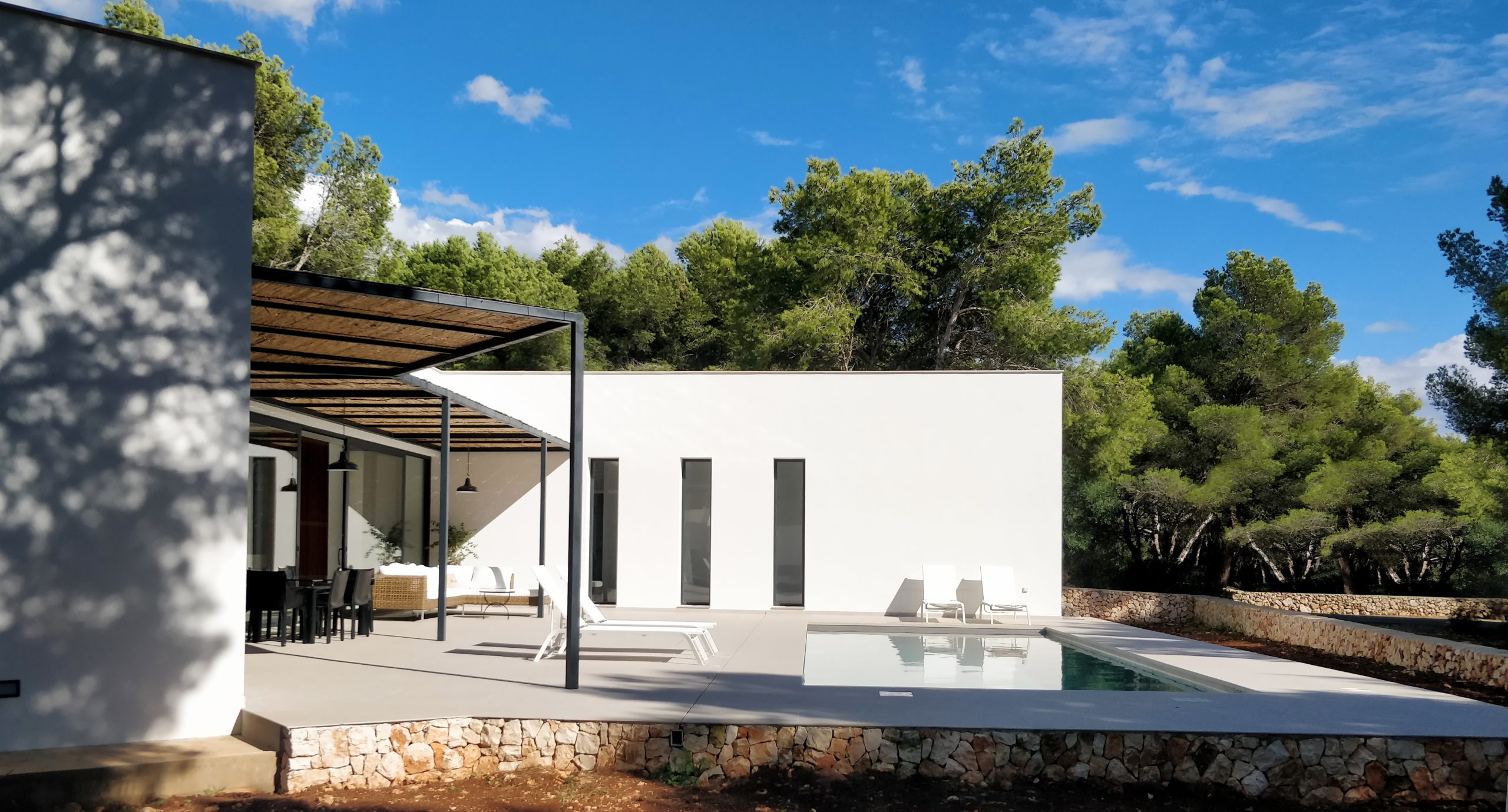
A bioclimatic house is a home designed and built taking into account the local climate and using available natural resources—such as sunlight, wind, and vegetation—to minimize energy consumption and reduce environmental impact. This type of architecture focuses on creating energy-efficient buildings that provide thermal comfort while being respectful of their surroundings.
Bioclimatic houses apply principles of bioclimatic architecture, which is based on the interaction between the building and its environment to achieve maximum energy performance. These principles include passive design, which uses architectural elements to capture, store, and distribute the sun’s thermal energy, as well as to protect the building from excessive cold and heat.
If you would like to learn more about the world of passive houses, you can read the following article by clicking here

Advantages of Living in a Bioclimatic House
1. Energy Savings in Bioclimatic Houses
Bioclimatic houses are designed to minimize energy consumption. They incorporate strategies such as the use of natural sunlight, natural ventilation, and efficient thermal insulation. This means you will need less energy for heating, cooling, and lighting, resulting in significantly lower utility bills.
2. Greater Thermal Comfort Throughout the Year in Bioclimatic Houses
Thanks to their intelligent design, bioclimatic houses maintain a comfortable indoor temperature at any time of the year. For example, large south-facing windows capture solar heat during winter, while elements such as green roofs or pergolas provide shade in summer. This eliminates discomfort caused by extreme temperature changes and improves your overall quality of life.
3. Reduced Environmental Impact
These homes are designed to coexist in harmony with nature. From the use of sustainable materials to the integration of renewable energy sources such as solar panels, bioclimatic houses minimize their ecological footprint. By choosing this type of home, you are actively contributing to the protection of the planet.
4. Promotion of Health and Well-Being
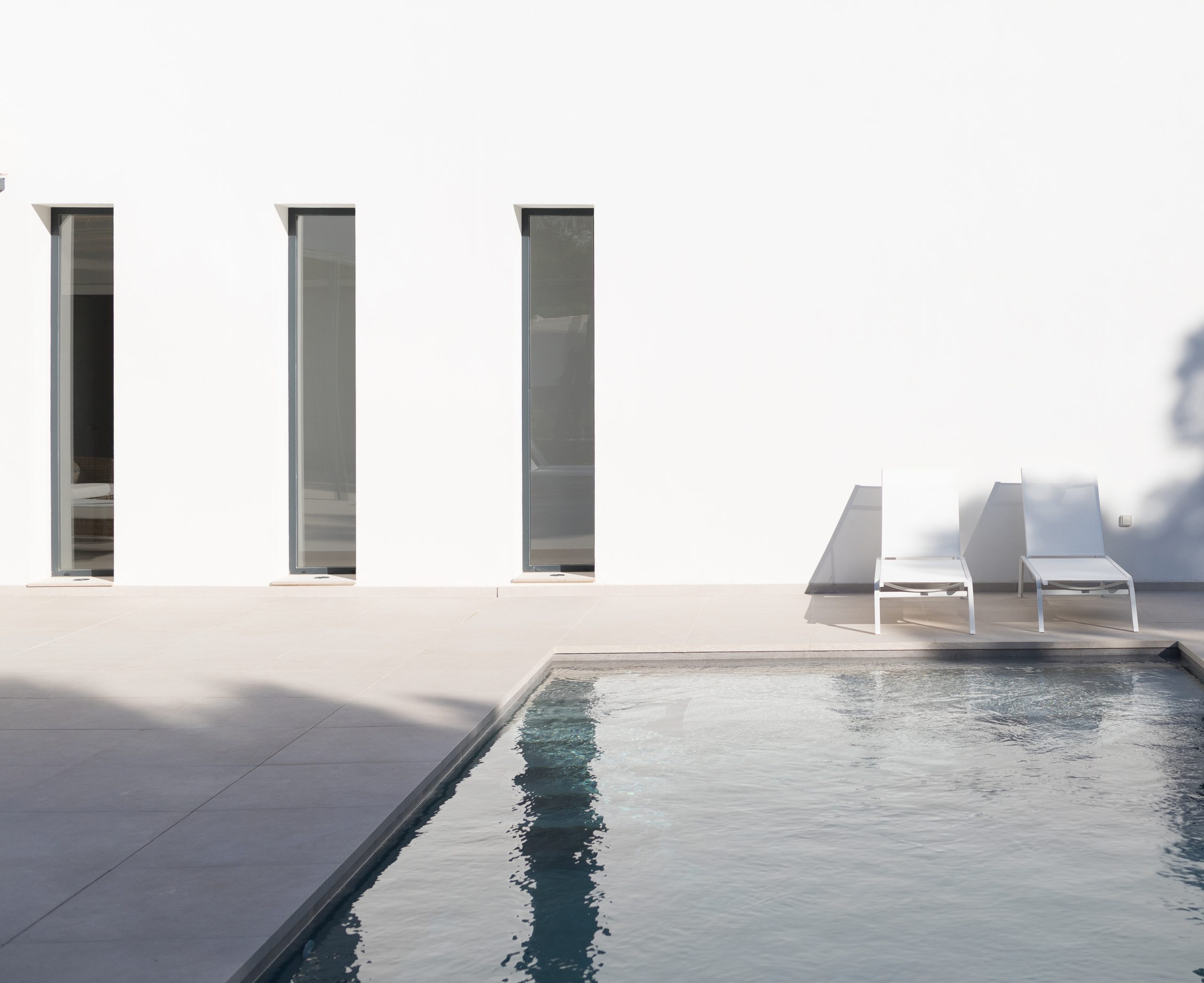
A bioclimatic house prioritizes the use of non-toxic materials and designs that promote better indoor air quality. In addition, the abundance of natural light has a positive impact on mood and daily performance. Living in a healthier, more natural environment can make a significant difference to your physical and mental well-being.
5. Increased Property Value
Sustainability is not just a trend—it is the future. Bioclimatic houses are increasingly in demand in the real estate market, making them a smart investment. Furthermore, by saving on energy and maintenance costs, their value is maintained and can even increase over time.
Design Principles of a Bioclimatic House
Orientation and Location:A Key Factor in Bioclimatic Houses
The orientation of the house is essential to maximize solar gain in winter and minimize it in summer. In the Northern Hemisphere, the main windows should face south to capture the maximum amount of solar radiation during the colder months. In addition, the location of the house must take into account factors such as topography, surrounding vegetation, and prevailing winds.
Thermal Insulation Strategies in Bioclimatic Houses
Good thermal insulation is essential to maintain a comfortable indoor temperature without the need to rely on artificial heating or cooling systems. This is achieved through the use of insulating materials in roofs, walls, and floors, as well as double- or triple-glazed windows.

Natural Ventilation
Cross ventilation allows the house to be cooled naturally. It involves designing openings in strategic positions that encourage air circulation, taking advantage of natural air currents and reducing the need for air-conditioning systems.
The Importance of Solar Protection in Bioclimatic Houses
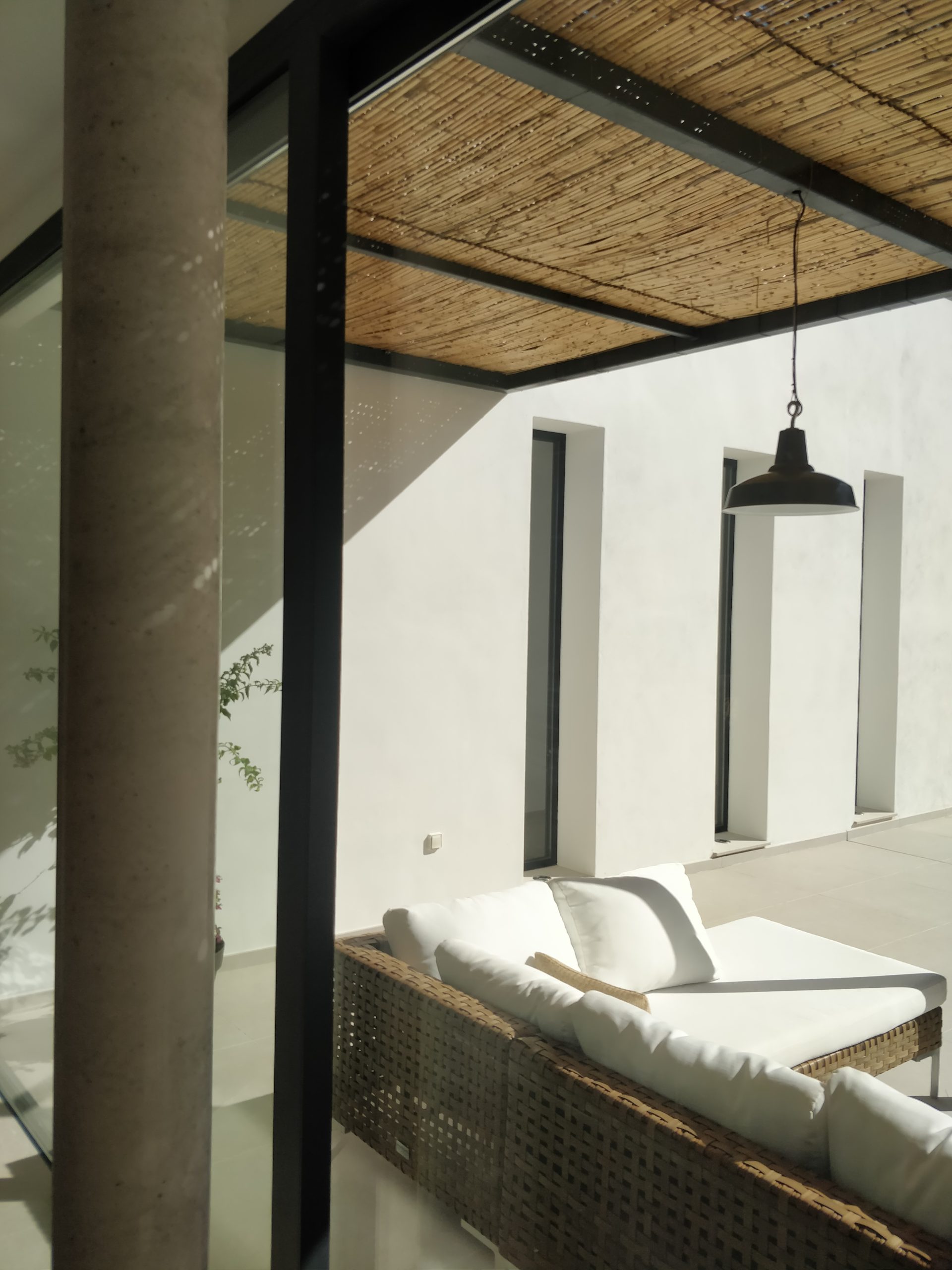
In warm climates, it is important to protect the home from excessive solar radiation. This can be achieved through the use of shading elements such as overhangs, pergolas, awnings, and vegetation. Blinds and curtains also play a crucial role in controlling the amount of solar radiation that enters the house.
Use of Renewable Energy in Bioclimatic Houses
Integrating renewable energy systems, such as photovoltaic or thermal solar panels, wind turbines, and biomass energy systems, contributes to the home’s energy self-sufficiency.
Conclusion
Bioclimatic houses are not just homes; they represent a lifestyle that prioritizes comfort, efficiency, and sustainability. These five major advantages demonstrate why more and more people are choosing this type of architecture. If you are considering building or purchasing a home, why not choose one that improves your quality of life while also caring for the planet?
READ MORE ARTICLES

¿Qué son los COVs?
En el ámbito de la arquitectura contemporánea, hablar de eficiencia energética ya no es suficiente. Hoy, el verdadero...

Which is cheaper: building or buying a house?
Many families who dream of owning their own home ask themselves the same question: is it more worthwhile to build or to buy…

Industrialized construction: the solution for the future of housing?
España se enfrenta a un reto estructural en el sector de la vivienda: necesitamos construir más y más rápido, sin...
MALLORCA
C/ Miquel dels Sants Oliver 9, 07011 Palma
BARCELONA
C/ de l'Alzina 21, 08024 Barcelona
PARIS
18 Rue Saint Bernard, 75011 Paris
